


The fascinating journey of gambling a historical perspective
The Origins of Gambling
The roots of gambling can be traced back to ancient civilizations, where games of chance were an integral part of social and religious practices. Archaeological findings suggest that as early as 3000 BC, the Chinese were playing games that involved betting, often using rudimentary dice made from animal bones. Similarly, in ancient Rome, gambling was a common pastime among citizens, with various forms of betting being linked to their daily lives and entertainment. Today, many enthusiasts may enjoy the thrill of the game through online casino canada, reflecting the evolution of these ancient practices.

Throughout history, gambling has evolved alongside society, reflecting cultural shifts and technological advancements. The use of dice and cards became prevalent, leading to the establishment of formal gambling games and betting practices. These early games laid the groundwork for modern gambling, highlighting its enduring nature and appeal across different cultures and eras.
Gambling in the Middle Ages
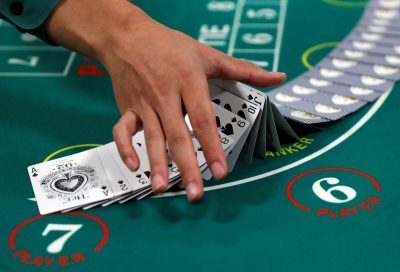
During the Middle Ages, gambling experienced a surge in popularity, particularly in Europe. The introduction of playing cards in the 14th century revolutionized gaming, creating new opportunities for betting and social interaction. Many games, such as poker and blackjack, find their origins in this period, showcasing the blend of skill and chance that defines many gambling activities today.
However, the Church’s stance on gambling was largely negative, viewing it as a vice that could lead to moral decay. Despite this opposition, the allure of gambling persisted, with various forms of wagering continuing to flourish in taverns and noble courts. This tension between societal acceptance and moral scrutiny has continued to shape the gambling landscape throughout history.
The Rise of Casinos
The 17th and 18th centuries marked the emergence of dedicated gambling houses, or casinos, particularly in Italy and France. These establishments provided a structured environment for a variety of games, attracting the wealthy and influential. The Casino di Venezia, opened in 1638, is often recognized as the first official casino, setting a precedent for the luxurious gaming establishments we see today.
The popularity of casinos spread across Europe, leading to the establishment of iconic venues like Monte Carlo and Baden-Baden. These casinos became synonymous with glamour and high society, offering not just gambling, but also dining, entertainment, and social networking. This era solidified gambling as a prominent leisure activity, paving the way for its commercialization in the modern world.
The Modern Gambling Era
The 20th century brought significant changes to gambling, particularly with the advent of technology. The introduction of slot machines in the late 1800s and the subsequent development of online gambling platforms in the late 20th century revolutionized the industry. The accessibility of betting through the internet opened up new avenues for players and transformed the way gambling was perceived.
Today, gambling encompasses a wide range of activities, from traditional casino games to online poker and sports betting. This diversification has attracted a broader audience, allowing gambling to evolve into a global multi-billion dollar industry. With ongoing advancements in technology, such as mobile apps and virtual reality gaming, the future of gambling promises even more innovation and engagement for enthusiasts.
Discover More About Gambling History
To learn more about the intricate history of gambling and how it has shaped societies around the world, visitors can explore dedicated platforms that provide in-depth content and resources. Such websites aim to educate audiences on the various facets of gambling, offering historical insights and contemporary analyses.
By delving into the fascinating journey of gambling, individuals can better appreciate its complexities and cultural significance. Whether you are a novice curious about the past or an experienced player looking to understand the evolution of your favorite games, these resources can provide valuable information to enhance your knowledge and enjoyment of gambling.
No Comments